
Prime University Hosts Seminar on AI’s Role in English Language Teaching
প র ইম ইউন ভ র স – Prime University recently held a seminar exploring the transformative impact of artificial intelligence (AI) on English language education, teaching methodologies, and the evolving landscape of learning. Titled “English Language Education in the Age of AI: Rethinking Pedagogy,” the event was organized by the university’s English Department and took place at its conference hall last Wednesday. The focus keyword, Prime University, was central to the discussion as educators and academics gathered to examine how technology is reshaping traditional approaches to language learning.
Participants and Structure
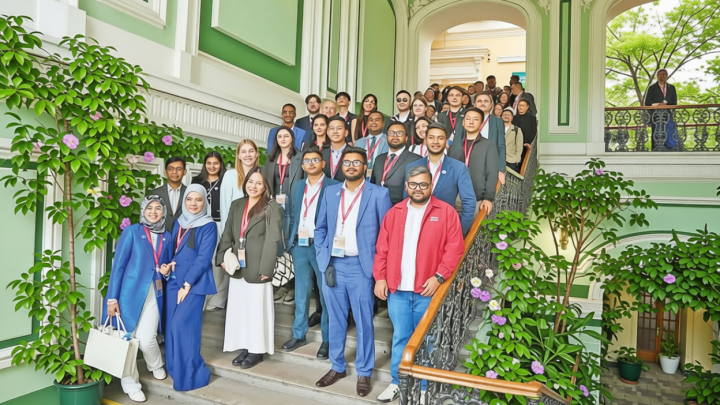
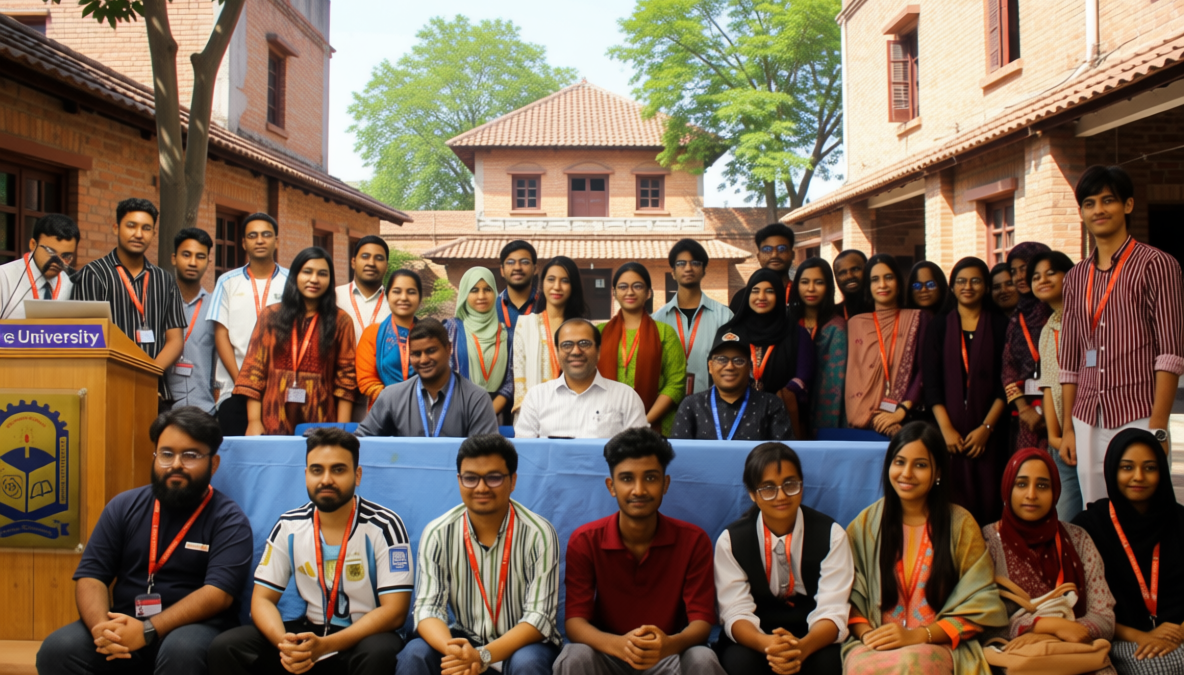
The seminar attracted a wide range of participants, including the vice-chancellor of Prime University, Dr. Kazi Din Mohammad Khosru, along with deans, faculty members, and students from the arts and humanities departments. Assistant Professor Prabha Afzalen opened the session with a warm welcome, emphasizing the importance of staying updated with technological advancements in education. The event was moderated by Assistant Professor Mohammad Abdul Awal, who also oversees the department’s academic initiatives.
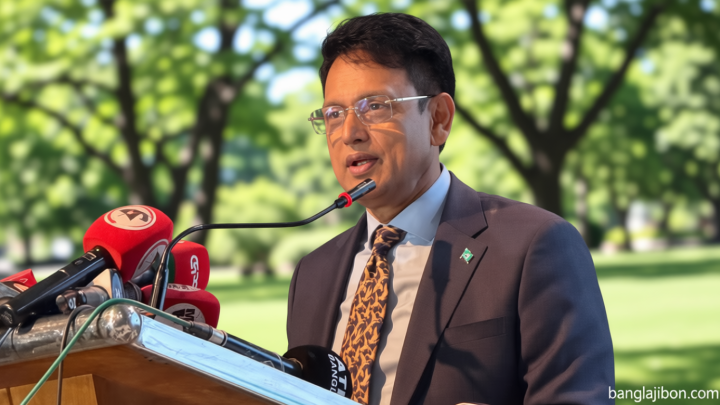
Dr. Ahmed Basiur, a professor at the University of Dhaka and president of the Bangladesh English Language Teachers’ Association (BELTA), delivered the keynote address. His talk delved into AI’s integration with educational frameworks, highlighting its alignment with Bloom’s Taxonomy and outcome-based learning (OBE). Dr. Basiur argued that AI should be seen as a complementary tool, enhancing, rather than replacing, human-centered teaching. “AI should not be viewed as an alternative to teaching but rather as an auxiliary tool to enhance the learning process,” he stated. “When used appropriately, technology can foster critical thinking, creativity, problem-solving skills, and self-reliance among students.”
Other speakers shared insights on the practical applications of AI in language classrooms, such as automated grading systems, virtual language assistants, and interactive learning platforms. These examples sparked a deeper conversation about how technology can address challenges like student engagement, personalized learning, and the need for up-to-date teaching resources. The session concluded with a lively question-and-answer round, where educators debated the ethical implications of AI in education and its potential to bridge gaps in access to quality learning.
Outcome and Future Plans
The seminar underscored Prime University’s commitment to fostering innovation in teaching and learning. Dr. Mohammad Abdul Awal, the session’s moderator, highlighted that such events are essential for encouraging dialogue among stakeholders and ensuring that technology is used responsibly. “This gathering demonstrated the importance of collaboration between faculty, students, and industry experts,” he said. “By embracing AI, we can create a more dynamic and inclusive educational environment.”
Participants emphasized the need for a balanced approach, where AI supports rather than supersedes traditional methods. They also called for teacher training programs to equip educators with the skills to integrate AI tools effectively. Dr. Awal noted that the department plans to develop a series of workshops and research projects focused on AI applications in language education. “Prime University aims to lead the way in adopting cutting-edge technologies while preserving the essence of human interaction in learning,” he added. The seminar successfully highlighted new perspectives on AI’s influence on language learning and its transformative potential for the academic community.